No products in the cart.

by
Reducing Facial Redness That Actually Lasts
0 Comments

by
0 Comments
November 4, 2026 in Uncategorized
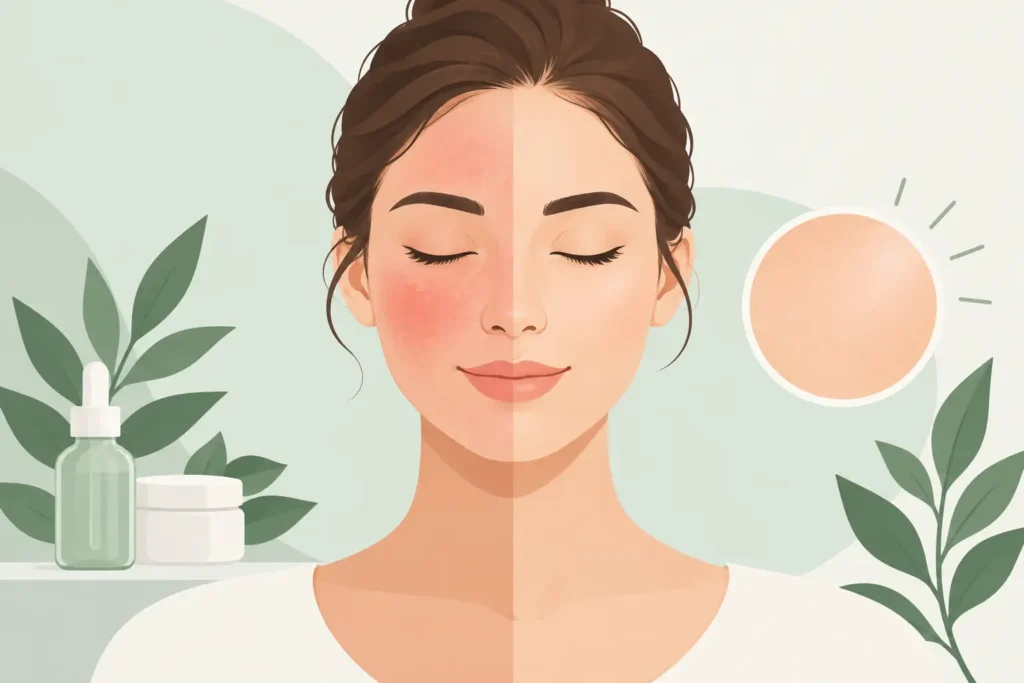
A face that suddenly feels hot, flushed, or visibly red can make even a simple morning routine feel frustrating. Redness is not one single skin concern, which is why reducing facial redness successfully starts with understanding what is driving it rather than applying more products and hoping for the best.
For some people, redness follows a workout, a glass of wine, spicy food, or a change in temperature. For others, it is persistent and may come with sensitivity, visible blood vessels, bumps, dryness, or stinging. The most effective plan is personal: calm the skin first, identify likely triggers, and consider physician-guided treatment when redness continues to affect your comfort or confidence.
Healthy skin can flush temporarily because blood vessels widen in response to heat, exercise, emotion, or irritation. That response is normal. The concern becomes more complex when redness is frequent, prolonged, uncomfortable, or accompanied by other changes in the skin.
A weakened skin barrier is a common contributor. When the outer layer of skin is compromised by over-exfoliation, harsh cleansers, weather exposure, or aggressive active ingredients, it has more difficulty holding moisture and protecting itself from irritants. Skin may look red, feel tight, and react to products that once felt perfectly fine.
Persistent redness can also be associated with rosacea, acne-related inflammation, eczema, contact dermatitis, sun damage, or visible superficial blood vessels. These concerns can look similar at first glance, but they do not always respond to the same approach. That distinction matters. A treatment that helps redness caused by dry, irritated skin may not be enough for vascular redness or an inflammatory skin condition.
When skin is red and reactive, more treatment is not always better. A short, consistent routine often gives the skin a better chance to recover than repeatedly switching products or adding stronger exfoliants.
Choose a gentle cleanser that leaves skin comfortable rather than squeaky-clean. Follow with a fragrance-free moisturizer formulated to support the skin barrier. Ingredients such as ceramides, glycerin, hyaluronic acid, and soothing lipids can help reduce the dry, compromised feeling that often accompanies redness.
Daily broad-spectrum sunscreen is equally essential. UV exposure can intensify inflammation, aggravate rosacea symptoms, and make visible redness more noticeable over time. Select a formula your skin tolerates well and use it consistently, including on overcast days.
For a few weeks, it may be wise to pause scrubs, cleansing brushes, high-strength acids, and retinoids if they are causing burning, flaking, or increased redness. This does not mean those ingredients are always inappropriate. Many can be valuable in the right routine, at the right frequency. The trade-off is that active ingredients should be introduced carefully when the skin barrier is already stressed.
A simple trigger log can be surprisingly useful. Notice whether redness appears after hot showers, intense exercise, alcohol, spicy foods, cold wind, direct sun, stress, or certain skincare products. You do not need to eliminate every possible trigger forever. The goal is to recognize patterns, reduce avoidable flare-ups, and make informed choices around events when you want your complexion to look its calmest.
Temperature is an especially overlooked factor. Very hot water, saunas, steam rooms, and abrupt moves from cold outdoor air to heated indoor spaces can provoke flushing in susceptible skin. Lukewarm water and a gradual cool-down after exercise may make a meaningful difference.
If redness persists despite a gentle routine, returns frequently, or is paired with visible vessels, acne-like bumps, swelling, burning, or eye irritation, a professional assessment is worthwhile. Rosacea, in particular, can be mistaken for simple sensitivity or acne. Identifying the cause early helps prevent a cycle of trial-and-error products that may prolong irritation.
Physician-led care is valuable because treatment can be matched to the type and depth of redness. A consultation should include a review of your skin history, current products, lifestyle triggers, medical considerations, and goals. For some clients, the right recommendation may be a refined home-care routine. For others, a combination of medical skincare and in-clinic treatment provides more visible improvement.
No reputable provider should promise that every trace of redness will disappear permanently. Vascular and inflammatory concerns can be chronic, and maintenance may be part of a realistic long-term plan. The objective is healthier-looking skin that feels more comfortable, appears more even, and is less prone to disruptive flare-ups.
Light-based treatments can be particularly helpful for certain types of redness, especially when visible blood vessels or diffuse flushing are present. Intense pulsed light, often called IPL, uses controlled pulses of light to target pigment and superficial vascular concerns. With an appropriate assessment and treatment plan, IPL may improve the appearance of redness, uneven tone, and sun-related discoloration.
Laser treatments may also be considered depending on skin tone, sensitivity, the location of redness, and whether visible vessels are involved. These treatments are not interchangeable, and they are not right for every cause of facial redness. A physician-guided plan helps determine whether a light or laser-based approach is appropriate and how to prepare your skin safely.
For redness that accompanies texture changes, acne scarring, or early signs of skin aging, treatments such as microneedling or non-ablative laser resurfacing may have a role in an overall rejuvenation plan. However, timing is critical. Treating actively inflamed or highly reactive skin too aggressively can worsen discomfort. Skin should be stabilized before pursuing treatments designed primarily for texture or collagen support.
At HealX Wellness, personalized planning is central to this process. Rather than treating redness as a purely cosmetic concern, physician-supervised care considers skin health, safety, recovery time, and the natural-looking result you want to achieve.
The best skincare routine is not the one with the most steps. It is the one you can use consistently without triggering irritation. Once your skin feels calmer, you may be able to add targeted ingredients gradually. Antioxidants can support skin against environmental stress, while carefully selected exfoliating or cell-turnover ingredients may improve texture and tone over time.
Introduce only one new active product at a time and give your skin several weeks to adjust. Start with a lower frequency than the label suggests if you are prone to redness. If burning, swelling, persistent itching, or a rash develops, discontinue the product and seek professional guidance rather than trying to push through the reaction.
Medical-grade skincare can be useful when selected for your specific skin needs, but product quality alone is not a substitute for a thoughtful plan. The formula, your application technique, the other products in your routine, and the underlying cause of redness all influence results.
Green-tinted correctors and complexion products can visually neutralize redness for an immediate confidence boost. They are helpful tools, especially before photographs, presentations, or special events. Still, makeup should complement a skin-health strategy rather than mask ongoing irritation.
Use clean applicators, avoid heavily fragranced formulas if you are sensitive, and remove makeup gently at the end of the day. Friction from repeated rubbing or harsh removal can leave already-reactive skin looking more inflamed.
Skin recovery rarely happens overnight. Mild irritation may improve within days once triggers are removed, while chronic redness, visible vessels, and rosacea-related concerns often require a more structured plan and ongoing maintenance. Taking progress photos in consistent lighting can be more revealing than checking the mirror several times a day.
If facial redness is changing, uncomfortable, or holding you back from feeling confident in your skin, it deserves more than a temporary cover-up. A calm, individualized approach can help you move toward a clearer-looking complexion while respecting what your skin needs to stay healthy.
About the author