No products in the cart.

by
IPL Photofacial Vaughan Guide for Clearer Skin
0 Comments

by
0 Comments
November 14, 2026 in Uncategorized
Sun spots that linger long after summer, diffuse facial redness, and an uneven complexion can make skin look tired even when you feel well. This IPL photofacial Vaughan guide explains how intense pulsed light treatment can address common visible concerns with a personalized, medically guided approach – and why the right assessment matters as much as the treatment itself.
An IPL photofacial is not designed to change your features or create an artificial result. Its purpose is to help bring greater clarity, balance, and radiance to the skin by targeting excess pigment and visible redness. For many adults, that means looking more refreshed without adding volume, altering facial movement, or committing to significant downtime.
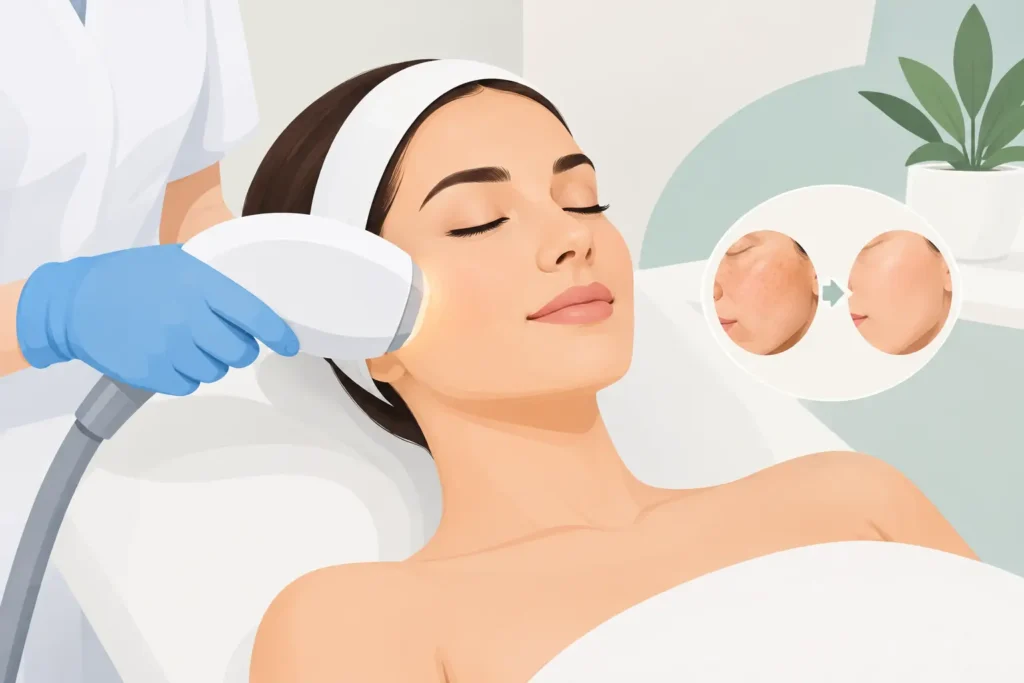
IPL stands for intense pulsed light. Unlike a single-wavelength laser, IPL delivers broad-spectrum pulses of light that can be filtered and adjusted according to the concern being treated. The light is absorbed by pigment in sun-related discoloration and by blood vessels that contribute to redness. The body then gradually clears the targeted pigment or vessels over time.
A thoughtfully planned IPL photofacial may help improve the appearance of sun spots, freckles, blotchy tone, redness associated with rosacea, broken capillaries, and certain superficial facial vessels. It can also support a brighter overall complexion when dullness and uneven tone are the main concerns.
Results depend on what is causing the concern. Brown spots caused by accumulated sun exposure may respond very differently from melasma, a pigment condition influenced by hormones, heat, inflammation, and light exposure. Similarly, redness from visible vessels may be a suitable IPL concern, while redness caused by active irritation or an uncontrolled skin condition may need a different plan first.
The best candidates are people with concerns that IPL can safely and predictably target. During a professional consultation, the provider should look beyond the surface concern and assess skin tone, sun exposure, health history, medications, current skincare, and the condition of the skin barrier.
IPL is often most straightforward for lighter skin tones with visible sun damage, brown spots, or vascular redness. That does not mean every person with a deeper skin tone is automatically excluded. However, darker skin contains more melanin, which can increase the risk of unwanted pigment changes when light-based devices are used. This makes individualized settings, conservative treatment decisions, and provider expertise especially important.
A treatment may need to be postponed if you have a recent tan, active sunburn, open lesions, an active cold sore outbreak, or significant skin irritation. Certain medications and skincare ingredients can also affect suitability. For example, retinoids, exfoliating acids, and photosensitizing medications may require specific guidance before treatment. Pregnancy, a history of pigment changes, or a tendency to develop raised scars are also factors worth discussing openly.
The goal is not to fit every concern into one device. It is to choose a treatment plan that respects your skin and gives you the strongest path toward visible, natural-looking improvement.
Your appointment begins with clean, makeup-free skin. Protective eyewear is essential. A cooling gel may be applied, depending on the device and treatment area, and the handpiece is passed across the skin in a series of measured pulses.
Most people describe the sensation as a quick snap of warmth, similar to a small elastic band against the skin. Comfort varies by area and sensitivity, but treatment is generally well tolerated. The face is a common treatment area, though IPL may also be used on the neck, chest, hands, or other areas with appropriate assessment.
A precise plan matters. Someone treating scattered sun spots may need a different approach than someone managing diffuse redness or visible facial vessels. At a physician-led clinic such as HealX Wellness, treatment planning is centered on your skin history, goals, and safety profile rather than a one-size-fits-all protocol.
Preparation helps reduce avoidable risks and makes it easier to assess your skin accurately on treatment day. Avoid direct sun exposure, tanning beds, and self-tanning products before your appointment according to the instructions provided by your clinic. A tan can make it harder to safely distinguish the pigment being treated from the melanin in surrounding skin.
Arrive with clean skin when possible, and tell your provider about any changes since your consultation. This includes new medications, recent procedures, cold sores, irritation, or a change in your skincare routine. Do not assume a product is harmless simply because it is available without a prescription. Active ingredients can affect sensitivity and recovery.
Your provider may recommend pausing certain exfoliating or sensitizing products for a period before treatment. Follow those directions closely rather than relying on general advice found online. The appropriate preparation schedule depends on your skin and the treatment settings selected.
IPL typically requires little to no social downtime, but that does not mean the skin will look exactly the same immediately afterward. Mild warmth, pinkness, and slight swelling can occur, often resembling a light sunburn. These effects usually settle within hours to a few days.
If brown spots are treated, they may temporarily darken before they fade. This is a normal part of the process for many patients and can take several days. Avoid picking, scrubbing, or trying to accelerate the flaking process. Let the skin shed naturally.
Aftercare should focus on calm, supported skin. Use gentle cleanser, moisturizer, and broad-spectrum sunscreen as directed. Avoid heat exposure, vigorous exercise, hot baths, saunas, and harsh active skincare products for the period recommended by your provider. Daily sun protection is especially essential because new UV exposure can stimulate pigment and compromise the clarity you are working to restore.
Contact your clinic if you experience unusual blistering, significant swelling, worsening pain, or any reaction that concerns you. Reassurance is valuable, but timely clinical guidance is more valuable when recovery does not feel typical.
One IPL session can create a visible change, particularly when treating isolated sun spots or small areas of superficial redness. Yet many complexion concerns develop gradually and respond best to a series of treatments spaced over time. Your provider may recommend a plan based on the amount of pigment, redness, skin sensitivity, and your desired level of improvement.
Think of IPL as a process of skin refinement rather than a single-event reset. Treatments can be complemented by medical-grade skincare, especially antioxidants, pigment-supporting formulas, and daily sunscreen. Some clients may also benefit from other modalities, such as microneedling or fractional resurfacing, when texture, fine lines, acne scarring, or laxity are part of the picture.
Combination care should be strategic, not excessive. Treating every concern at once is not always the best or safest route. A phased approach can protect the skin barrier, make results easier to evaluate, and give each treatment time to perform.
IPL is particularly useful when discoloration and redness are the priority. It is less focused on deeper wrinkles, significant skin laxity, pitted acne scars, or substantial loss of volume. Those concerns may call for a different treatment category or a combined plan.
Microneedling can support collagen renewal and improve the appearance of texture. Resurfacing treatments may be considered for more pronounced texture concerns and fine lines. Neuromodulators can soften expression lines, while dermal fillers address selected areas of volume loss. Each treatment has a place, but none is a universal answer.
The most refined results often come from matching the treatment to the concern rather than choosing the most popular option. A clear, healthy-looking complexion is built through clinical judgment, consistent home care, and realistic expectations.
IPL uses powerful energy, which is why provider training and assessment should be central to your decision. A quality consultation should include questions about your goals, medical history, previous cosmetic treatments, pigment history, and lifestyle factors such as sun exposure. You should also receive candid guidance about expected outcomes, recovery, and whether IPL is the right choice for your skin.
Bring reference photos if they help communicate what you want to improve, but leave room for clinical perspective. The concern you see as “dark spots” may include several different pigment patterns. Identifying that difference can protect your skin and prevent disappointment.
Your skin does not need to look filtered to look radiant. A carefully selected IPL plan can help soften the visible effects of sun exposure and redness while preserving what makes your face distinctly yours. Start with an expert assessment, protect your skin consistently, and allow results to develop at a pace that supports lasting confidence.
About the author