No products in the cart.

by
Laser Treatment Safety for Healthy, Confident Skin
0 Comments

by
0 Comments
November 18, 2026 in Uncategorized
A laser appointment should never feel like a leap of faith. Whether your goal is to soften sun damage, improve redness, refine texture, or address unwanted hair, laser treatment safety begins long before the device is switched on. The most beautiful outcomes are built on thoughtful assessment, appropriate technology, and a recovery plan designed around your skin.
At a physician-led aesthetic clinic, laser care is not a one-size-fits-all service. Your skin tone, medical history, current skincare routine, treatment area, lifestyle, and desired result all influence which treatment is appropriate and how it should be performed.
Laser and light-based treatments work by delivering controlled energy into the skin. Depending on the device and setting, that energy can target pigment, blood vessels, hair follicles, or water within the skin to encourage renewal and improvement. IPL, for example, uses broad-spectrum light to address concerns such as visible redness and sun-related discoloration. Fractional laser treatments, including ResurFX, create precise zones of treatment that support collagen remodeling and smoother-looking skin.
This precision is what makes these treatments effective, but it is also why proper technique matters. A device that is well suited to one concern or skin type may not be the right choice for another. Settings must be selected carefully, not copied from a standard menu.
Safe care means balancing results with respect for the skin barrier. It means knowing when to proceed, when to adjust a plan, and when delaying treatment is the most responsible recommendation.
A high-quality consultation is more than a conversation about what you would like to change. It is the foundation of a safe, personalized treatment plan.
Your provider should review your goals and examine the area being treated. They should also ask about your skin’s tendency to tan or pigment, past reactions to procedures, active breakouts or infections, scarring history, and any history of cold sores when treating around the mouth. These details can affect both device selection and aftercare.
Medication and product use matter as well. Certain prescriptions, supplements, and topical ingredients can increase sensitivity or affect healing. Retinoids, exfoliating acids, and some acne therapies may need to be paused before treatment, but only according to medical guidance. Do not stop prescribed medication without speaking with the clinician who manages it.
Recent sun exposure is equally relevant. Tanned or sunburned skin can make it harder to safely distinguish target pigment from surrounding skin, which may raise the risk of unwanted pigmentation or irritation. Being candid about a recent vacation, outdoor sports, or tanning products helps your provider protect your outcome.
Every skin tone deserves access to thoughtful aesthetic care, but treatment parameters should never be assumed. Skin with more melanin can be more prone to post-inflammatory hyperpigmentation after excessive heat or irritation. That does not mean laser or light treatments are automatically off limits. It means the provider must choose the right technology, settings, preparation, and treatment schedule for the individual.
For some clients, a test spot may be a sensible part of planning. It can provide valuable information about how the skin responds before a larger area is treated. A cautious approach is not a compromise in care. It is often what supports more consistent, confident results.
A polished treatment room and an impressive-looking device are not substitutes for clinical judgment. Safe laser care depends on appropriate training, clear protocols, and a provider who understands both the technology and the biology of skin.
At HealX Wellness, physician-led care supports a more complete view of your treatment. Your laser plan can be considered alongside other aesthetic and skin-health options, rather than approached as an isolated appointment. Sometimes laser treatment is the right next step. Other times, medical-grade skincare, microneedling, or a staged approach may better match your skin’s current condition and your goals.
The best treatment is not always the strongest treatment. Higher energy is not automatically better, and more aggressive settings can create unnecessary downtime or risk. Skilled providers select settings that are intentional, measured, and appropriate for the concern being treated.
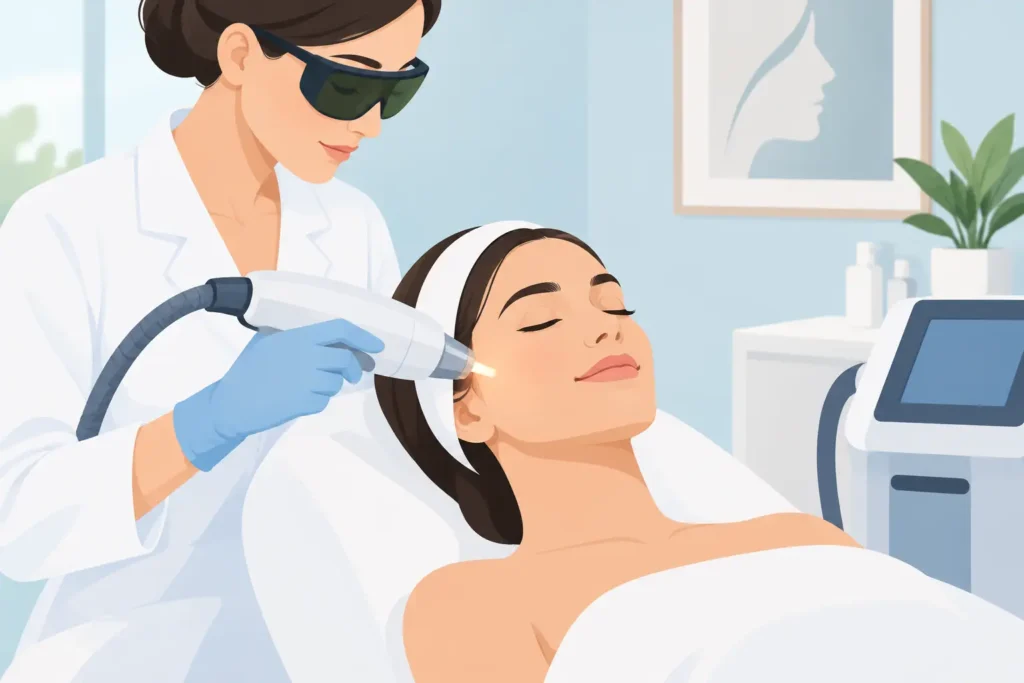
Protective eyewear is non-negotiable for both the client and treatment team. Laser and intense pulsed light can be harmful to the eyes without proper protection, even when the treatment is performed away from the eye area.
Your skin should also be clean and prepared according to the procedure. Makeup, self-tanner, fragranced products, and residue from certain topical products may need to be removed. During treatment, you may feel warmth, snapping, or brief discomfort depending on the technology and area. Your provider should explain what to expect, check in with you, and respond if the sensation feels unusually intense.
Many complications are avoidable when preparation is taken seriously. In the days before a laser or IPL appointment, protecting your skin from sun exposure is among the most valuable steps you can take. Use broad-spectrum sunscreen consistently, seek shade when practical, and avoid intentional tanning.
Avoid waxing, plucking, or using harsh exfoliation on the planned treatment area unless your provider tells you otherwise. For hair-reduction treatments, shaving may be recommended because it leaves the follicle in place while removing surface hair that could absorb excess heat. For resurfacing treatments, your instructions may be different.
Arrive with honest information, even if it seems minor. A new medication, a healing blemish, a cold sore, or a fresh tan may change the plan for the day. Rescheduling can be disappointing, but treating compromised or sensitized skin is rarely worth the added risk.
The treatment itself is only part of the process. As your skin responds, it may look flushed, feel warm, or develop mild swelling. These effects are often temporary, but your aftercare should be tailored to the procedure performed.
Keep the area calm. Use gentle cleanser, a simple moisturizer, and sun protection as directed. Avoid heat-intensive activities such as hot yoga, saunas, and very hot showers for the period recommended by your provider. Do not pick, scrub, or peel at flaking skin. With pigment-focused treatments, darkening of spots before they fade can be a normal part of the response, but your provider should tell you what is expected for your specific procedure.
Your skincare routine may also need a temporary reset. Strong exfoliants, retinoids, and other active ingredients can be helpful at the right time, yet using them too soon after treatment may cause avoidable irritation. Medical-grade skincare can support your skin between appointments, but the products and timing should fit your recovery plan.
Mild warmth and redness can be expected after many treatments. However, contact your provider promptly if you notice increasing pain, extensive swelling, blistering, drainage, spreading redness, or a reaction that seems to be worsening rather than improving. Early guidance can make a meaningful difference.
It is also wise to reach out if you are unsure about a symptom. A reputable clinic welcomes questions and would rather help you protect your skin than have you guess your way through recovery.
Clients sometimes ask for a dramatic result in a single session. For certain concerns, that may be possible. For others, a series of measured treatments is safer and more effective than pushing the skin too hard at once. Collagen remodeling, pigment clearing, and changes in hair growth patterns all follow their own timelines.
Your plan may also change as your skin improves. A treatment that was appropriate for active redness may not be the same treatment that best supports texture or firmness later on. Personalized care leaves room for those adjustments.
The goal is not simply to perform a laser treatment. It is to help you move toward clearer, smoother, more radiant-looking skin with a plan that respects your health, comfort, and confidence. When you are considering laser care, choose a consultation where your questions are welcomed and your skin is treated as individual as you are.
About the author