No products in the cart.

by
Best IV Drips for Fatigue: What May Help?
0 Comments

by
0 Comments
November 20, 2026 in Uncategorized
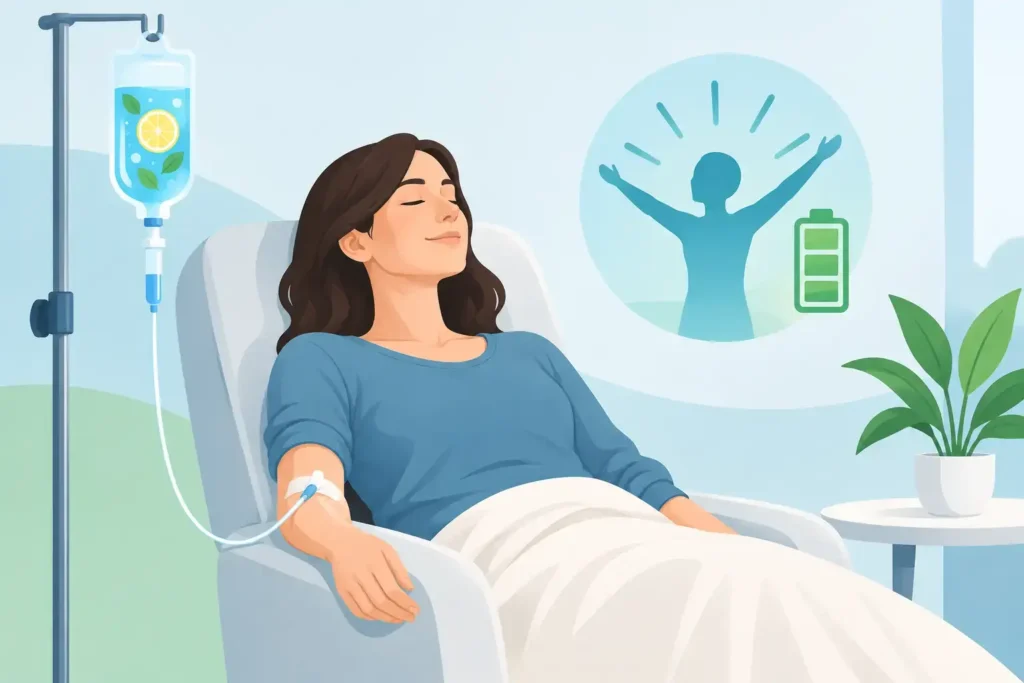
Feeling drained despite a full night in bed can affect far more than your schedule. It can change how you perform at work, train, socialize, and feel in your own skin. The best IV drips for fatigue are not a one-size-fits-all menu choice. They are selected after considering whether dehydration, nutrient depletion, iron deficiency, illness, stress, poor sleep, or another medical concern may be contributing to low energy.
At a physician-led wellness clinic, IV therapy should begin with listening to the whole picture. The goal is not simply to provide a quick boost. It is to identify an appropriate, medically supervised option that supports hydration and wellness while respecting the reason your fatigue may be happening.
Fatigue is different from ordinary sleepiness after a demanding day. It may feel like persistent low energy, reduced concentration, weakness, exercise intolerance, or a sense that your usual routine takes more effort than it should. While dehydration and inadequate nutrition can contribute, ongoing fatigue can also be associated with iron deficiency, thyroid conditions, infection, medication effects, sleep disorders, mood changes, and other health concerns.
That is why the best starting point is a thoughtful health review. A qualified provider may ask about your sleep, stress level, diet, menstrual history, recent illness, medications, activity level, and symptoms such as shortness of breath, dizziness, palpitations, unexplained weight change, or heavy periods. Depending on your history, laboratory testing may be appropriate before certain infusions, especially iron.
IV therapy can be a valuable supportive treatment for the right person. It should never be used to dismiss persistent or worsening symptoms that need medical attention.
The right formula depends on what your body may be lacking and what your provider determines is safe for you. Below are common categories that may be considered in a personalized fatigue-focused plan.
Even mild dehydration can leave you feeling sluggish, headachy, lightheaded, or less focused. Busy professionals, frequent travelers, people recovering from a stomach illness, and those who exercise intensely may struggle to replace fluids and electrolytes consistently through the day.
A hydration-focused IV typically delivers fluids with carefully selected electrolytes. This may be a sensible option when fatigue is clearly connected to fluid loss, poor oral intake, heat exposure, or recovery after exertion. It is not designed to replace the medical evaluation needed for severe dehydration or symptoms such as chest pain, fainting, confusion, or persistent vomiting.
For clients whose energy dip follows a particularly demanding week, hydration can be a practical foundation. The benefit is often less about a dramatic stimulant-like feeling and more about restoring the fluid balance needed for the body to function comfortably.
B vitamins play a role in normal energy metabolism, nervous system function, and red blood cell formation. A B vitamin-focused IV may be considered for people with limited dietary intake, certain absorption concerns, demanding lifestyles, or identified nutritional needs.
However, B vitamins are not a cure for every form of fatigue. If someone is well nourished and has no deficiency, more is not necessarily better. A physician-guided approach helps determine whether a B-complex formulation is suitable and whether a more complete evaluation is needed first.
Some clients choose a hydration IV with added B vitamins when they are recovering from travel, prolonged work demands, or periods of inconsistent meals. The formula and dosage should be individualized, particularly for people with medical conditions or those taking prescription medications.
Vitamin C is involved in collagen production, immune function, and antioxidant activity. It may be included in wellness IV formulations for clients looking for supportive hydration and nutritional replenishment, particularly during periods of high stress or seasonal demands.
This option is often best viewed as part of a broader wellness strategy rather than a direct treatment for unexplained exhaustion. Vitamin C IV therapy has specific considerations for people with certain kidney conditions, a history of kidney stones, or glucose-6-phosphate dehydrogenase deficiency. Proper screening matters.
For image-conscious clients, this category can complement a consistent approach to skin health, sleep, nutrition, and medical-grade skincare. Feeling revitalized is most meaningful when it supports sustainable routines, not when it is expected to compensate for them.
Iron deficiency is a common and often overlooked contributor to fatigue. It can occur with heavy menstrual bleeding, pregnancy, dietary restriction, gastrointestinal conditions, or reduced iron absorption. Symptoms may include low stamina, weakness, brain fog, headaches, hair shedding, shortness of breath with activity, or restless legs.
Iron infusion is not a general energy drip. It is a medical treatment that should be considered only after appropriate testing confirms iron deficiency and a clinician determines IV iron is indicated. The type of iron product, dose, timing, and monitoring plan require medical oversight because iron therapy carries potential risks and is not appropriate for everyone.
When low iron is truly the driver of fatigue, treating the deficiency can be more meaningful than choosing a general wellness blend. It is equally important to understand why iron became low in the first place, especially when symptoms are new, pronounced, or recurring.
A premium IV experience should feel calm and restorative, but clinical standards remain central. Before treatment, your provider should review your medical history, allergies, medications, current symptoms, and relevant health conditions. They should discuss what the infusion may and may not help with, along with possible side effects.
During the infusion, trained clinical staff should monitor your comfort and the IV site. Mild effects such as a cool sensation in the arm, temporary discomfort at the insertion site, or changes in taste can occur with some formulations. More serious reactions are uncommon but require prompt recognition and appropriate care, which is why a supervised clinical setting matters.
Afterward, you should receive clear guidance on hydration, activity, and when to contact a medical professional. The experience should not feel rushed or transactional. Your treatment plan should reflect your goals, your health history, and the findings from your assessment.
If your fatigue has lasted for weeks, is getting worse, or comes with concerning symptoms, the priority should be medical evaluation rather than an energy-focused infusion. Seek timely care for chest pain, trouble breathing, fainting, severe weakness, black or bloody stools, new neurological symptoms, fever that persists, or significant unexplained weight loss.
It is also wise to pause before IV therapy if you have kidney disease, heart failure, uncontrolled high blood pressure, are pregnant, have a history of severe allergic reactions, or are managing a complex medical condition. These situations do not always rule out treatment, but they do require careful physician review.
The same principle applies to lifestyle-related fatigue. An IV may provide supportive hydration, but it cannot replace regular sleep, adequate protein and iron intake, stress support, or treatment for sleep apnea. The most effective wellness plans acknowledge both immediate needs and the habits that protect your energy over time.
When considering IV therapy for fatigue, look beyond the ingredients list. Ask who evaluates you, whether the treatment can be tailored to your health history, how complications are handled, and whether iron therapy is supported by appropriate testing. A medically guided plan offers a different level of reassurance than a standard spa-style service.
At HealX Wellness, IV vitamin and iron infusions are approached as part of personalized wellness care, with physician leadership and a focus on safe, thoughtful treatment selection. The right infusion can support a period of recovery or replenishment, but the best result begins with understanding what your body is asking for.
If low energy has become your normal, give yourself permission to investigate it rather than simply push through it. A careful assessment can help you move toward a plan that supports not only a more energized day, but a stronger sense of well-being and confidence in your health.
About the author