No products in the cart.

by
Facial Balancing Guide for Natural-Looking Results
0 Comments

by
0 Comments
November 22, 2026 in Uncategorized
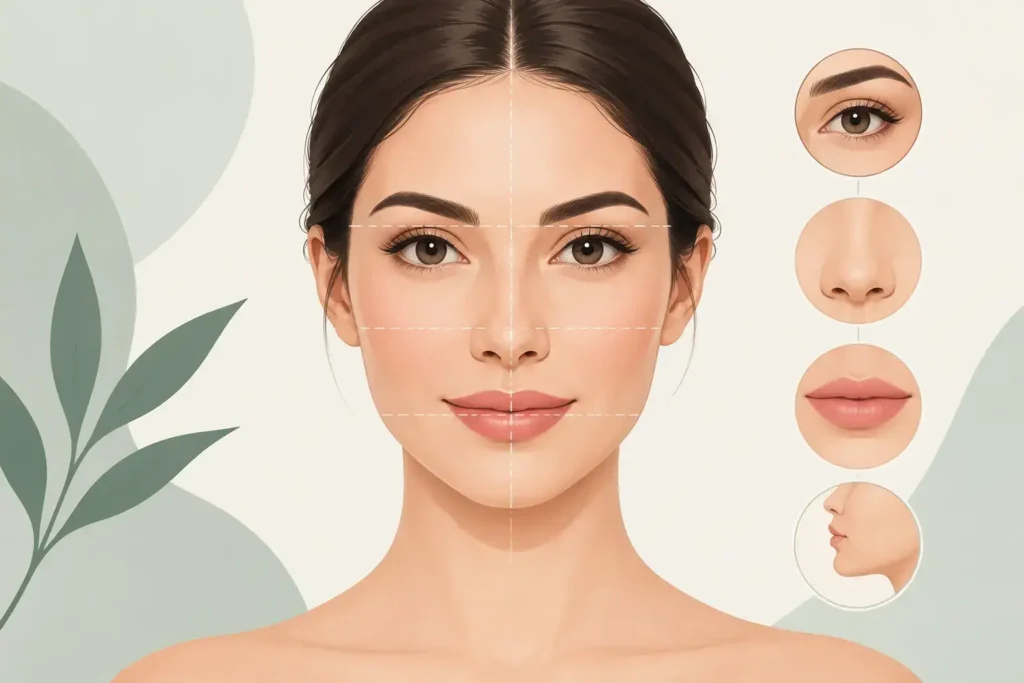
A photograph can make one feature feel larger, a tired expression more noticeable, or subtle asymmetry suddenly hard to ignore. Yet the goal of aesthetic treatment is rarely to change one feature in isolation. This facial balancing guide explains how a thoughtful, medically guided plan can bring greater harmony to the face while preserving the characteristics that make you look like yourself.
Facial balancing is not about achieving perfect symmetry or following a single beauty standard. It is about understanding proportion, movement, skin quality, and the way individual features relate to one another. For some people, that may mean restoring cheek support that has softened over time. For others, it may involve softening a strong chin, refining the jawline, addressing a gummy smile, or improving skin texture so the entire face looks more refreshed.
Facial balancing is a customized approach to aesthetic care that considers the face as a whole rather than treating a single concern without context. A provider evaluates the relationship between the forehead, eyes, cheeks, nose, lips, chin, jawline, and skin. The best plan may include injectable treatments, skin rejuvenation, or a combination of both.
Balance does not mean making the left and right sides identical. Natural faces have small differences, and those differences often contribute to character and expression. Instead, the focus is on creating proportion that feels cohesive from the front, profile, and three-quarter view. The result should look rested, refined, and believable, not noticeably “done.”
Age also changes the equation. Volume loss through the cheeks and temples can make the lower face appear heavier, while changes in skin elasticity may soften jawline definition. Treating only the most obvious area may not produce the most natural result. Supporting an adjacent area can sometimes create a more elegant improvement with less product and less intervention.
A fuller-looking lower face is not always caused by the chin or jaw alone. It may be influenced by reduced cheek structure, muscle activity, skin laxity, or even the way the lips and nose appear in profile. Likewise, lines in the forehead are not always a simple Botox concern if the brow position, eyelid anatomy, and natural expressions have not been assessed together.
This is why facial balancing should begin with an in-depth consultation, not a menu of trending treatments. A physician-led assessment considers facial anatomy, medical history, prior aesthetic treatments, skin condition, and your personal goals. It also considers what should not be treated. Restraint is an essential part of safe, sophisticated aesthetic care.
During consultation, it can be helpful to discuss what you notice in everyday life rather than arriving with a fixed request. You may feel that your face looks tired despite sleeping well, that your profile lacks definition, or that your makeup no longer sits smoothly on your skin. Those observations can help guide a plan that addresses the cause rather than simply chasing a feature.
There is no single facial balancing treatment. The appropriate approach depends on anatomy, goals, and the changes you would like to see. A personalized plan may be completed gradually, allowing results to settle before additional refinements are considered.
Botox and other neuromodulator treatments can soften the repetitive muscle movement that contributes to dynamic lines. When used with precision, they may relax frown lines, forehead lines, crow’s feet, chin dimpling, or jaw muscles that create a wider lower-face appearance.
Facial balancing with Botox is not about removing expression. The aim is to preserve natural movement while reducing tension or imbalance where it is appropriate. For example, carefully placed treatment may help elevate the appearance of the brows, soften an overly strong masseter muscle, or relax a downturned mouth. The right dose and placement matter, especially because each face moves differently.
Dermal filler can restore or enhance volume in areas such as the cheeks, temples, chin, jawline, and lips. It may be used to improve facial proportion, support areas affected by age-related volume loss, or create more definition in the profile.
A common misconception is that facial balancing always means fuller lips or dramatically sculpted cheeks. In reality, subtle support in the midface or chin may make the lips appear more proportionate without adding volume to them. Similarly, a thoughtfully shaped chin can improve the appearance of the jawline and profile without changing the character of the face.
Filler is not right for every concern. In some cases, skin laxity, muscle activity, or underlying anatomy means another approach will be more effective. A responsible provider will explain the trade-offs clearly and recommend treatment only when it aligns with your goals and safety needs.
Proportion is only part of how a face is perceived. Texture, redness, pigmentation, acne scarring, enlarged pores, and dullness can draw attention away from otherwise balanced features. Medical-grade skincare and in-clinic rejuvenation can be an important part of a complete plan.
Microneedling, PRP treatments, IPL, and ResurFX laser treatments may help improve skin quality, depending on your concerns and candidacy. Better skin texture and tone can make features look more refined without changing their shape. For clients who want a refreshed appearance but are not ready for injectables, skin-focused care may be the ideal starting point.
The most compelling aesthetic results often develop in stages. A comprehensive plan does not need to be completed in one appointment. Starting conservatively gives you time to see how your face responds, how you feel about the change, and whether another area still requires attention.
This approach is particularly valuable with filler. Swelling can temporarily affect early appearance, and results should be evaluated after the treatment has settled. Gradual treatment also helps avoid overcorrection, which can compromise facial movement and proportion.
Bring reference photos only if they help communicate a general goal, not as a blueprint for someone else’s face. Bone structure, tissue quality, muscle patterns, and skin thickness vary significantly from person to person. The most successful result is one that fits your own anatomy and lifestyle.
A quality consultation should leave you feeling informed, not pressured. Ask what is contributing to the concern you see, what treatment is being recommended and why, what alternatives exist, and what outcome is realistic for your anatomy. You should also understand expected recovery, possible side effects, and when follow-up may be needed.
It is reasonable to ask who is performing the treatment, what qualifications they hold, and how complications are handled. Injectable and laser treatments are medical procedures, even when they are elective. Choosing a physician-led clinic adds an important layer of oversight, assessment, and safety planning.
At HealX Wellness, facial balancing plans are designed around the individual, with attention to both visible results and long-term skin health. Men and women often have different aesthetic preferences and structural considerations, so a tailored approach matters more than a one-size-fits-all technique.
Your daily habits influence how your skin looks and ages. Consistent sunscreen use, a personalized medical-grade skincare routine, hydration, sleep, and avoiding smoking can support skin quality and help maintain treatment results. Wellness care may also be relevant when fatigue, nutritional needs, or overall stress are affecting how you feel and look.
Maintenance varies by treatment. Neuromodulators and filler are temporary, while collagen-building treatments and skincare typically require consistency over time. A good plan evolves with you instead of committing you to frequent or unnecessary procedures.
The right facial balancing plan should leave you looking like yourself on a particularly well-rested day: expressive, confident, and in proportion. Start with a careful assessment, communicate openly about your goals, and give subtle, medically guided changes the time they need to reveal their best effect.
About the author